Quick answer
- What underwriters weigh: For dump truck and aggregate operations, carriers typically look at the trucks and trailers, the drivers, what is hauled and how it is loaded, where the work happens, how equipment is maintained, and past losses.
- Why it matters: Heavy trucks working pits, quarries and job sites carry exposures that differ from a light-duty fleet, so the questions tend to be more detailed.
- What to do: Gather the information below before you ask for dump truck insurance in California. What a carrier asks, and how it views each item, depends on the policy and carrier.
This article looks at the exposures themselves. If you want the contractor-side view, such as certificates and additional insured requests, see our sand and gravel hauler insurance page.
1. The trucks and trailers
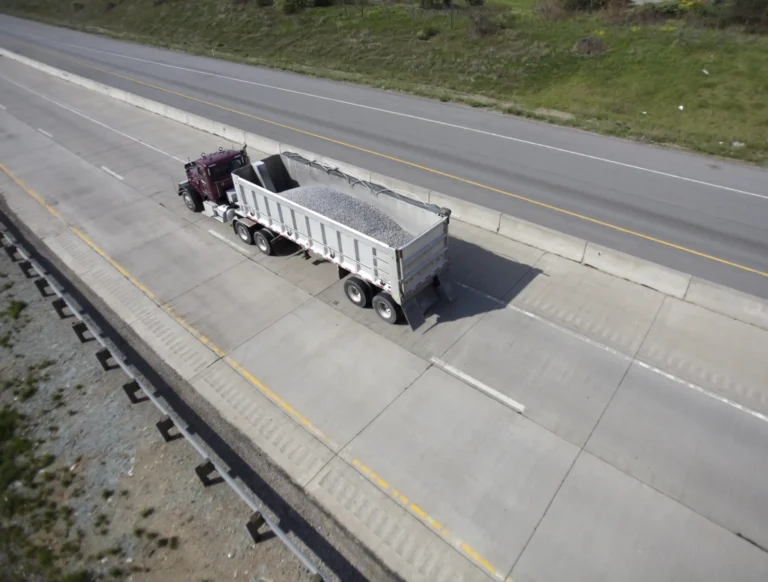
Underwriters usually want a unit-by-unit picture. That typically includes year, make, model, VIN, body type (for example end dump, bottom dump, transfer or tri-axle with pup trailer), gross vehicle weight rating, and axle configuration. Heavier and longer combinations generally put more mass in motion and may be treated differently than a single straight truck. Age and condition of the equipment may also matter, as may whether you own the units, lease them, or run them with owner-operators.
If you buy physical damage coverage, expect questions about stated or cost values for the truck, the dump body and any trailer.
2. Drivers: qualifications and records
Driver questions often carry the most weight. Typical items are license class, years of commercial driving experience, years on aggregate or construction work specifically, and motor vehicle records. Carriers may also ask how you recruit, screen and train drivers, whether you use part-time or seasonal drivers, and how you handle violations and accidents. Mixed fleets, with some employees and some contracted drivers, can prompt additional questions about who is covered and how.
3. Commodity, loading and unloading
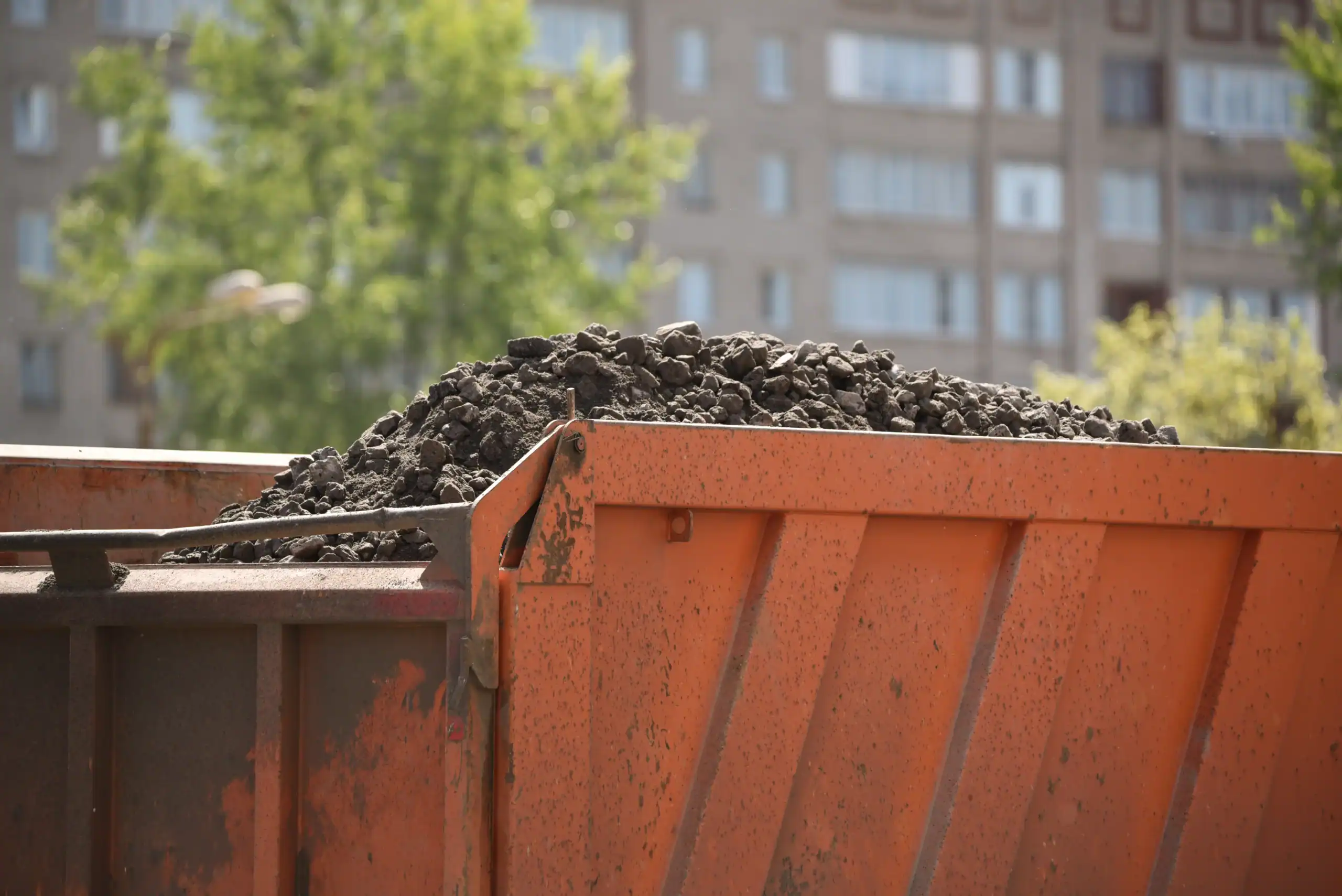
Sand, gravel and aggregate are commonly the core commodities for this class, but underwriters may ask about everything you haul: asphalt, recycled concrete, soil, demolition debris or anything else. If any load could be classed as hazardous, say so at the start, since that can change how a risk is reviewed and which requirements apply. This article does not suggest any particular commodity falls inside or outside an insurer’s appetite.
Loading and unloading is its own exposure. Questions may cover who loads (you, the pit, a contractor), whether trucks are weighed, and how loads are leveled and covered. Typical concerns include:
- Overweight loads: Heavy loads can affect braking, stability and road wear. Underwriters may ask how you control weight and what happens when a scale ticket shows a problem.
- Rollover during dumping: Raising a loaded body on soft or uneven ground can create tip-over risk. Carriers may ask about operator training and site practices.
- Tarping and debris: Material that blows or falls from a truck can damage other vehicles and may lead to liability claims. Tarp use and load-securement habits are common topics.
- Overhead hazards: Raised bodies and power lines are a recognized concern on job sites, and some applications ask about it.
4. Radius and where you work
Operating radius, typical routes and the share of time on highway versus local streets all help an underwriter understand how often and where your trucks are exposed. Pit, quarry and construction-site conditions add questions: haul roads, grades, soft shoulders, congestion, and working in or near active traffic. Who you work for may matter too, since contractor-heavy work often comes with contract requirements covered in our fleet insurance in California overview and on the hauler page above.
Operating across state lines can change the regulatory picture, and this article is written with California operations in mind. Confirm requirements for any specific situation with the agencies directly.
5. Permits and financial responsibility, in general terms
Many for-hire carriers and operators of heavier commercial vehicles in California need a motor carrier permit. According to the California DMV’s motor carrier permit page, the permit generally applies to for-hire transportation of property and to operators of commercial vehicles rated at 10,001 pounds GVWR or more, among other categories, and the DMV describes proof of liability insurance as part of the permit process. The page does not mention dump trucks by name, so whether the permit applies to a given operation is a question for DMV.
Applications commonly ask whether you hold a motor carrier permit. For interstate for-hire carriage, federal minimum financial responsibility limits are set out in 49 CFR 387.9 on eCFR; the table there sets a higher limit for certain hazardous commodities than for nonhazardous property. Whether a particular operation is covered by those rules, or by California’s, is not something this article can answer. Check the agency pages or a qualified professional. These minimums are floors, not a recommended coverage level, and a contract may ask for more.
6. Maintenance and inspection
Dump trucks work hard, and brakes, tires, suspension, hoists and lights see heavy use. Carriers may ask for a written maintenance schedule, records of inspections and repairs, how drivers report defects, and what happens to a truck that fails an inspection. Evidence that equipment is kept in good order tends to support a stronger submission, though no outcome is guaranteed.
7. Loss history
Expect a request for loss runs from your current and prior carriers, commonly covering several years, along with explanations of any larger claims or patterns. Prior cancellations or non-renewals may need explaining. Describing what changed after a loss, such as new driver rules or equipment upgrades, can help an underwriter see the full picture.
8. Coverages these exposures tie to
Depending on how the operation is set up, a program may involve commercial auto liability, physical damage, motor truck cargo, general liability for premises or operations outside the auto policy, and workers’ compensation, which is usually placed separately. Which are needed, and what they cover, depends on the policy and carrier.
Information to have ready
- Truck and trailer list with VINs, body types, GVWR and values
- Driver list with license class, experience and MVRs
- Commodities hauled and how loads are secured and covered
- Operating radius, main routes and typical job-site types
- Motor carrier permit details, if applicable
- Maintenance and inspection practices
- Loss runs for the past several years
- Any contract requirements you have been given
FAQ
What do underwriters ask dump truck operators most often?
Typically about the trucks, drivers and their records, commodities, radius, permits, maintenance and loss history. The exact list depends on the carrier.
Does hauling gravel versus debris change how a risk is viewed?
It may. Commodity, loading method and job-site conditions can all be considered, and a carrier may treat them differently.
Is a single-truck owner-operator reviewed differently from a fleet?
The questions are often similar, though a larger fleet usually means more detail on driver management and maintenance.
Talk to an independent agency
Wilk Business Insurance Services is an independent agency that places commercial auto and transportation risks. For more detail, see our sand and gravel hauler insurance page. To start, request a quote or call 805-755-2025, Monday to Friday, 8:30am to 4:30pm Pacific.
This article is general information, not legal or insurance advice or an offer of coverage. Coverage depends on the policy and carrier, and eligibility and terms vary.